
Automatic Door & Gate Maintenance
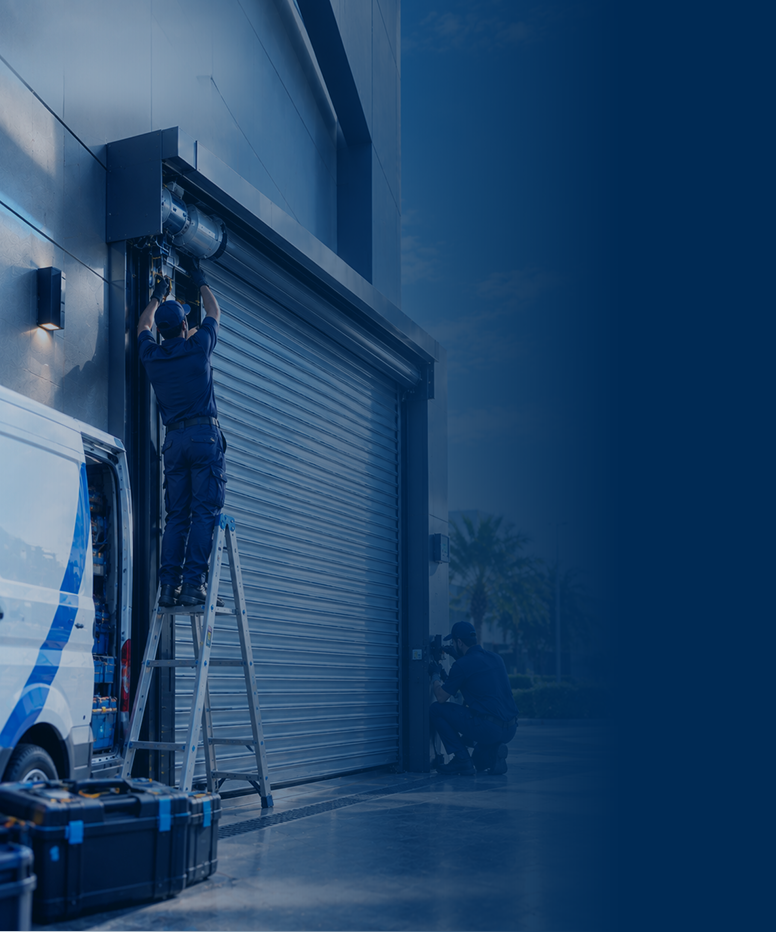
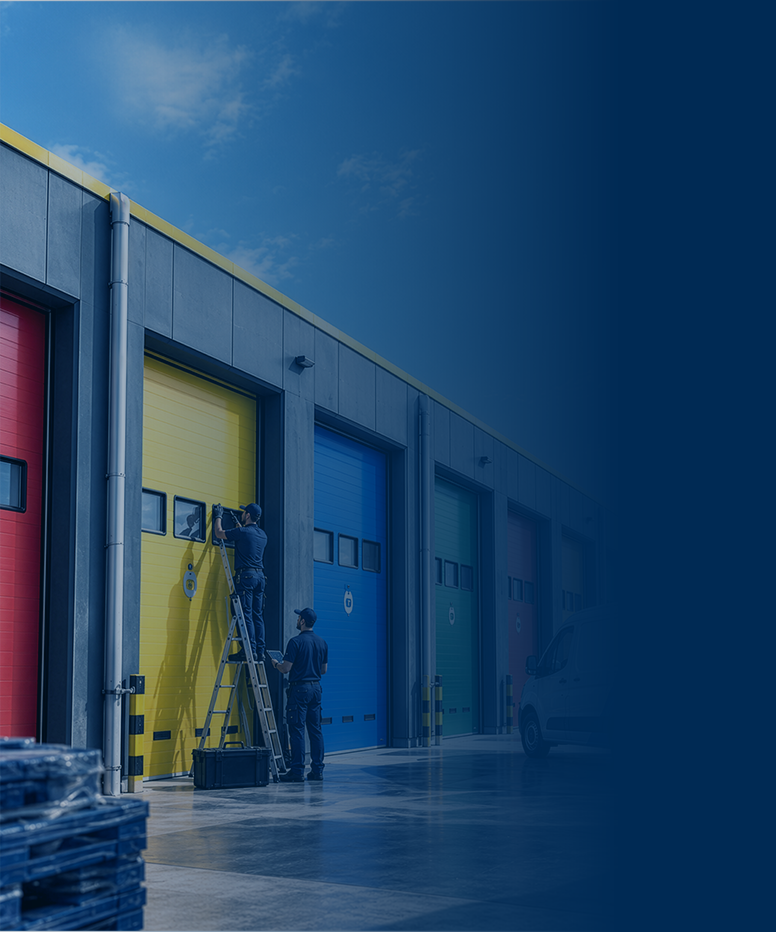
GGS offers inspection and maintenance services for automatic doors and gates, motors, and control systems — starting with diagnosing the fault's cause, through carrying out repairs and testing operation.
The service covers roller shutter, sectional, and glass doors, car barriers, hydraulic bollards, and metal gate motors, based on the system type, its condition, and the availability of suitable components.
Is There a Fault in the Door Right Now?
If the door or gate starts moving abnormally, makes a loud noise, or stops mid-motion, it's best not to keep operating it before it's checked. Follow these steps:
This information helps form an initial picture, but it doesn't replace a technical inspection when the fault requires a site visit.
What Does the Maintenance Service Include?
Checking the door or gate and determining whether the issue is mechanical, electrical, or related to the motor or control system.
Reviewing the tracks, wheels, hinges, arms, springs, and moving parts, based on the product type.
Testing the motor's responsiveness, reviewing its ability to move the door, and confirming there's no overload caused by a mechanical issue.
Reviewing the control panel, wiring, operating commands, remotes, and the components connected to it.
Resetting the open/close limits, balance, alignment, and the motion settings the system supports.
Identifying damaged or worn parts and proposing repair or replacement after clarifying the cost and the part's availability.
Operating the door or gate after maintenance to confirm the fault is resolved and the control means respond.
What Systems Does Maintenance Cover?
01
Roller Shutter Door Maintenance
Checking the slats, tracks, shaft, motor, and control unit, and addressing difficulty rising or lowering.
02
Sectional Door Maintenance
Reviewing the panels, tracks, wheels, springs, motor, and the door's motion balance.
03
Australian Roll-Up Door Maintenance
Checking the motion system, tracks, motor, and operating commands, and addressing open/close-related faults.

04
Glass Door Operator Maintenance
Checking the operator, belt, sensors, and control unit, and calibrating the door's response and motion.
05
Car Barrier Maintenance
Reviewing the barrier unit, arm, motor, control commands, and the operating accessories compatible with the system.
06
Hydraulic Bollard Maintenance
Checking the bollard's motion, the operating unit, and the hydraulic and electrical components, based on the system type and condition.
07
Sliding Gate Motor Maintenance
Checking the motor, track, wheels, gears, and control unit, and addressing difficulty in the gate's motion.
08
Swing Gate Motor Maintenance
Checking the motors, arms, hinges, and mounting posts, and the leaves' open/close sequence.
Signs the Door Needs Maintenance
The door or motor may need inspection when any of the following signs appear:
It's best to request an inspection as soon as the first signs appear, rather than continuing to operate the system until it stops completely.
Preventive Maintenance or Fault Repair?
Carried out periodically to check the system and detect signs of wear or malfunction before they cause the door to stop. It may include:
- Checking the tracks and moving parts.
- Reviewing the mounting points.
- Testing the motor and control unit.
- Calibrating the open/close motion.
- Testing the control means and sensors.
- Identifying parts that need monitoring or replacement.
Requested when the system stops or a problem affecting its operation appears, and starts with diagnosing the cause before carrying out the repair. It may include:
- Fixing a mechanical issue.
- Calibrating or repairing the motor.
- Addressing a fault in the control unit.
- Fixing the wiring.
- Replacing a damaged part.
- Reprogramming and testing.
The suitable service type depends on the system's condition and the technical inspection's result.
Why Shouldn't the Motor Be Replaced Before Checking the Door?
The door stopping doesn't always mean the motor is the cause. The fault may result from:
Correct diagnosis helps identify the part responsible for the fault and avoids replacing components that don't need changing.
Stages of Executing the Maintenance Service
Send the door or gate type, your city, photos of the system, a description of the fault, and a video if possible.
The details are reviewed to determine what additional information is needed and whether a site visit is required.
The system's components are checked, and the fault's cause and the work needed to fix it are determined.
The repair work, required parts, and cost are clarified before any additional work is carried out.
The approved calibration, repair, or part-replacement work is carried out.
The door or gate is tested and the motor and control means' response is verified once maintenance is complete.
Automatic Door Maintenance Prices
Maintenance cost varies based on:
The repair cost can't be accurately determined from a brief description alone, but sending photos, a video, and the motor's details helps assess the request before the site visit.
Frequently Asked Questions
Send the Fault Details to Start Diagnosis
Share a photo of the door or gate, the motor's details, and a short clip showing the problem, and we'll help you determine the right next step for maintenance.